

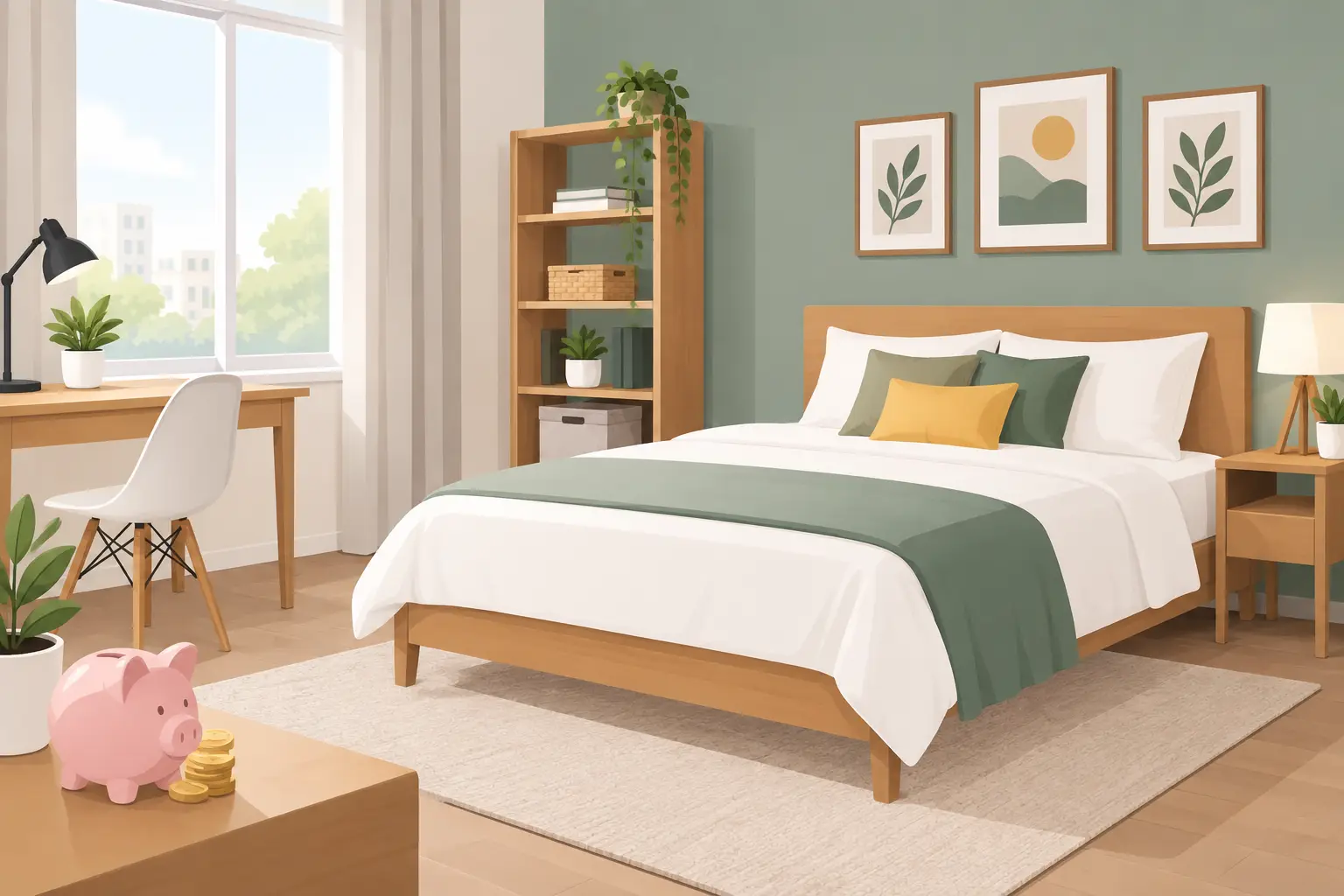
A rental bedroom is judged quickly. A tenant notices whether the bed looks clean and comfortable, whether there is somewhere to put clothes, and whether the room feels usable rather than crowded. Knowing how to furnish rental bedrooms means balancing those everyday expectations with a budget, room size and the need for furniture that will stand up to repeat use.
For landlords, housing providers and anyone preparing a room to let, the best approach is practical rather than over-decorated. Start with the pieces that make the room functional, choose finishes that are easy to maintain, and keep the overall look coordinated enough that tenants can picture themselves living there.
Start with the bed and mattress
The bed is the main purchase in any rental bedroom, so it is usually the wrong place to cut corners. A tired frame, weak base or uncomfortable mattress can make an otherwise well-presented property feel poor value. Choose a sturdy bed in a size that suits the room, leaving enough space to walk around it and open drawers or wardrobe doors.
A double bed is often the most flexible choice for a main bedroom, particularly in a two-bedroom house or flat. In smaller rooms, a single or small double can make better use of the floor area. A small double gives more sleeping space than a single but takes up less room than a standard double, which can be useful in compact rental layouts.
Divan beds are a sensible option for rental properties because they have a supportive base, a neat appearance and can be supplied with drawer storage. An upholstered bed frame can add a more polished look where presentation is especially important, but choose durable fabric and a simple design that will remain appealing between tenancies. Ottoman storage beds offer substantial space beneath the mattress, although they work best when tenants can comfortably lift the base and the room has enough clearance around it.
The mattress should be chosen for broad comfort rather than a very soft or very firm feel. A medium or medium-firm mattress will suit many tenants and is a dependable choice for furnished lets. Use a mattress protector from day one and replace it between tenants when needed. This is a modest cost that helps protect a far more expensive item.
How to furnish rental bedrooms with useful storage
Storage is often what separates a practical rental bedroom from one that feels unfinished. Tenants arrive with clothing, bedding, shoes and personal items, even when the property is only partly furnished. If there is nowhere to store them, the room can quickly look cluttered.
A wardrobe and chest of drawers provide a strong basic combination. Where the room allows, select a wardrobe with hanging space and a shelf, then add a chest with smooth-running drawers for folded clothes. A bedside table is also worth including in a main bedroom. It gives tenants a place for a lamp, phone, book or glasses without creating the need for extra furniture later.
Built-in wardrobes are useful where they already exist, but freestanding bedroom furniture makes replacements and layout changes easier. For trade buyers furnishing several rooms, repeatable wardrobe and drawer sizes can also simplify future orders and help create a consistent standard across a portfolio.
Under-bed storage should be part of the plan, not an afterthought. Divan drawers are particularly useful in smaller bedrooms, while an ottoman bed can hold larger items such as spare duvets, luggage and seasonal clothing. Avoid filling every available gap with furniture, though. Tenants need storage, but they also need clear floor space to move comfortably.
Measure the room before choosing furniture
Measurements prevent costly mistakes. Record the length and width of the room, then note the position of doors, windows, radiators, sockets and built-in features. A bed that technically fits may still be inconvenient if it blocks a radiator or leaves no space to access a wardrobe.
Allow for door swings and drawer clearance. Hinged wardrobe doors need room to open, while a chest of drawers needs clear space in front of it. If the bedroom is narrow, a taller wardrobe may be a better choice than a wider one, and drawer storage under the bed may reduce the need for another bulky unit.
It also helps to think about how furniture will get into the property. Check staircases, tight hallways and upper-floor access before ordering larger bed frames, wardrobes or assembled items. Flat-pack furniture can be useful in difficult access situations, while straightforward bed bases and coordinated pieces can save time where access is simple.
Choose hard-wearing finishes and simple styles
Rental furniture needs to look good after more than one tenancy. Neutral colours and uncomplicated shapes are generally the safest investment because they suit a wider range of tenant tastes and are easier to refresh with new bedding or curtains.
Grey, beige, black, white and natural wood-effect finishes work well in most properties. An upholstered headboard can make a bedroom feel more finished without adding several decorative pieces. If selecting fabric beds, favour mid-tone colours that are less likely to show light marks than cream or bright shades.
Durability matters as much as appearance. Look for stable construction, practical drawer handles and surfaces that can be wiped clean. Delicate finishes, highly ornate designs and very pale fabrics can look attractive at first but may demand more maintenance between lets. The right choice depends on the expected tenant and rental level: a premium furnished home may justify more decorative detail, while a busy shared property usually benefits from straightforward, robust furniture.
Keep the furniture package focused
A furnished rental bedroom does not need to be packed with accessories. The essential package is usually a bed and mattress, wardrobe, chest of drawers and bedside table. In a larger main bedroom, a second bedside table or dressing table can add value if there is still enough circulation space.
Provide a mirror if the room does not already have one, and consider a simple lamp where suitable lighting is absent. Curtains or blinds should offer privacy and practical light control. Beyond that, keep styling modest. A clean bedding set and a coordinated cushion can improve photographs and viewings, but expensive decorative items can be damaged, removed or become dated.
For a house in multiple occupation, it may be more useful to give every bedroom comparable storage than to make one room significantly more luxurious than the others. Consistency makes the property easier to market and avoids complaints about unequal facilities.
Budget for replacement, not just the first purchase
The lowest initial price is not always the best value. Furniture in rental homes receives regular use, and replacing a poorly made bed or drawer unit after a short period costs both money and time. Set a realistic budget around the items tenants use every day: the bed base, mattress, wardrobe and drawers.
A coordinated range can be cost-effective because it removes the need to source every item separately and gives the bedroom a more considered appearance. Buying from a specialist supplier such as AAA Furniture UK Ltd can also help landlords and trade purchasers find beds, mattresses and matching bedroom furniture in one place, rather than arranging deliveries from several retailers.
Keep a record of each room’s furniture, dimensions, finish and purchase date. This makes repairs, replacements and repeat orders more straightforward. It is also sensible to hold a small contingency fund for marks, damaged handles, replacement mattress protectors and other routine changeover costs.
Prepare the room for the next tenant
Before viewings or a new tenancy, check that drawers open properly, wardrobe rails are secure and bed fixings are tight. Clean all surfaces, inspect the mattress and make sure storage is empty. Small maintenance jobs have a big effect on how well the room presents.
A rental bedroom does not need to be elaborate to feel like good value. Give tenants a comfortable place to sleep, enough storage for daily life and furniture that fits the room properly, and the space will be easier to let, easier to manage and more comfortable from the first night.